Why Qualifications Rule Fire & Security Contract Jobs
What qualifications do you need to win fire and security jobs?
Before experience even comes up, most clients check one thing: site access. Valid ECS, CSCS, or equivalent cards are non-negotiable for the majority of fire and security jobs, CCTV, and data cabling roles, proving you're cleared to work safely on commercial and construction sites.
I take the time to understand each engineer's skillset and preferences, matching them to suitable assignments that align with their experience while providing consistent support throughout their contracts.
- Callum Watson, Team Leader, Fire and Security Service Contract
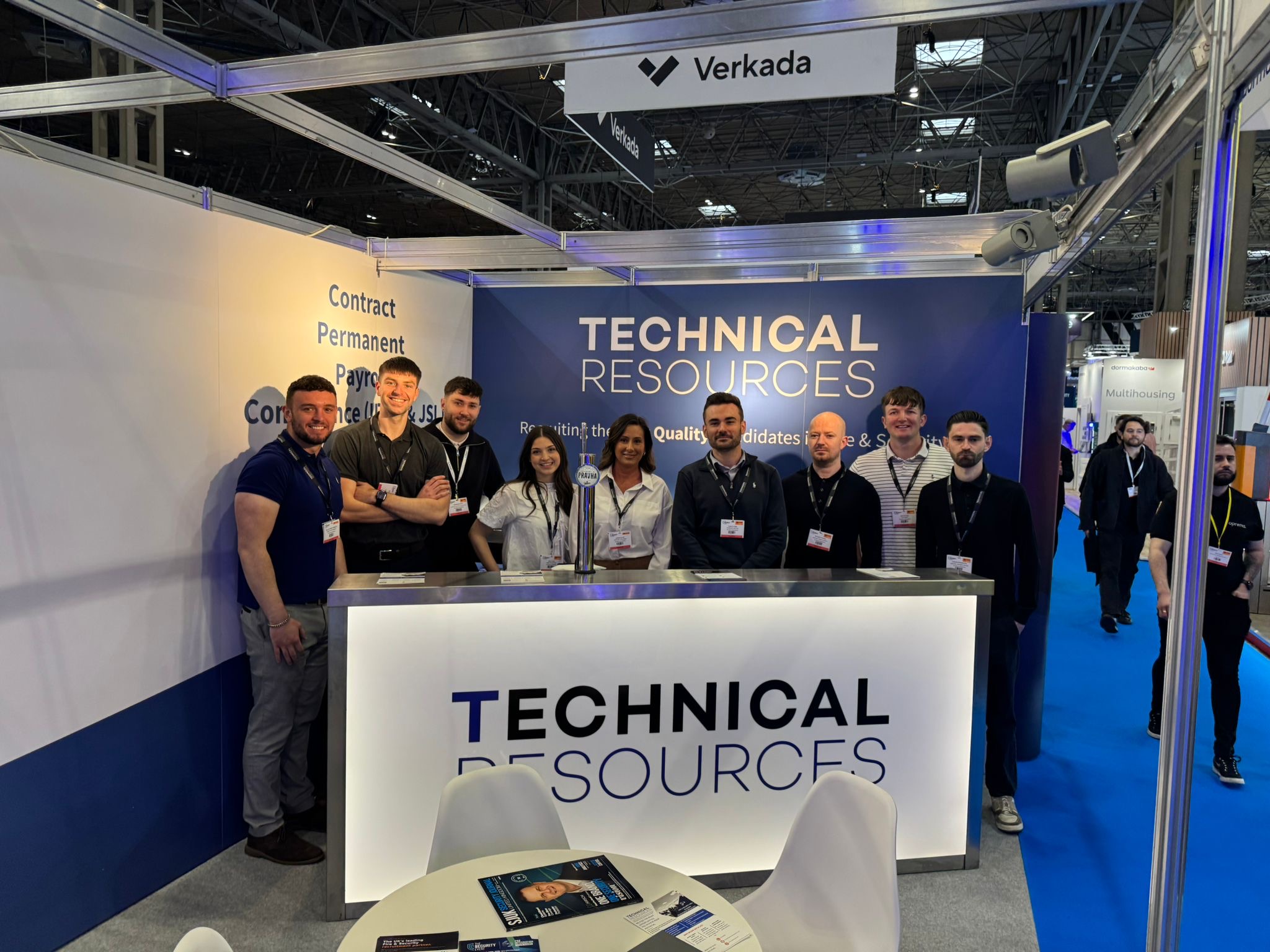
Keeping these cards current is the simplest way to stay in the running when urgent cover comes up. Clients need engineers who can start Monday, not "maybe next month," and contractors with their paperwork sorted are always first in line. That's the approach our Fire & Security team takes: looking past the CV headline to your actual ticket list before putting you forward for work.
Which Technical Qualifications Help You Stand Out?
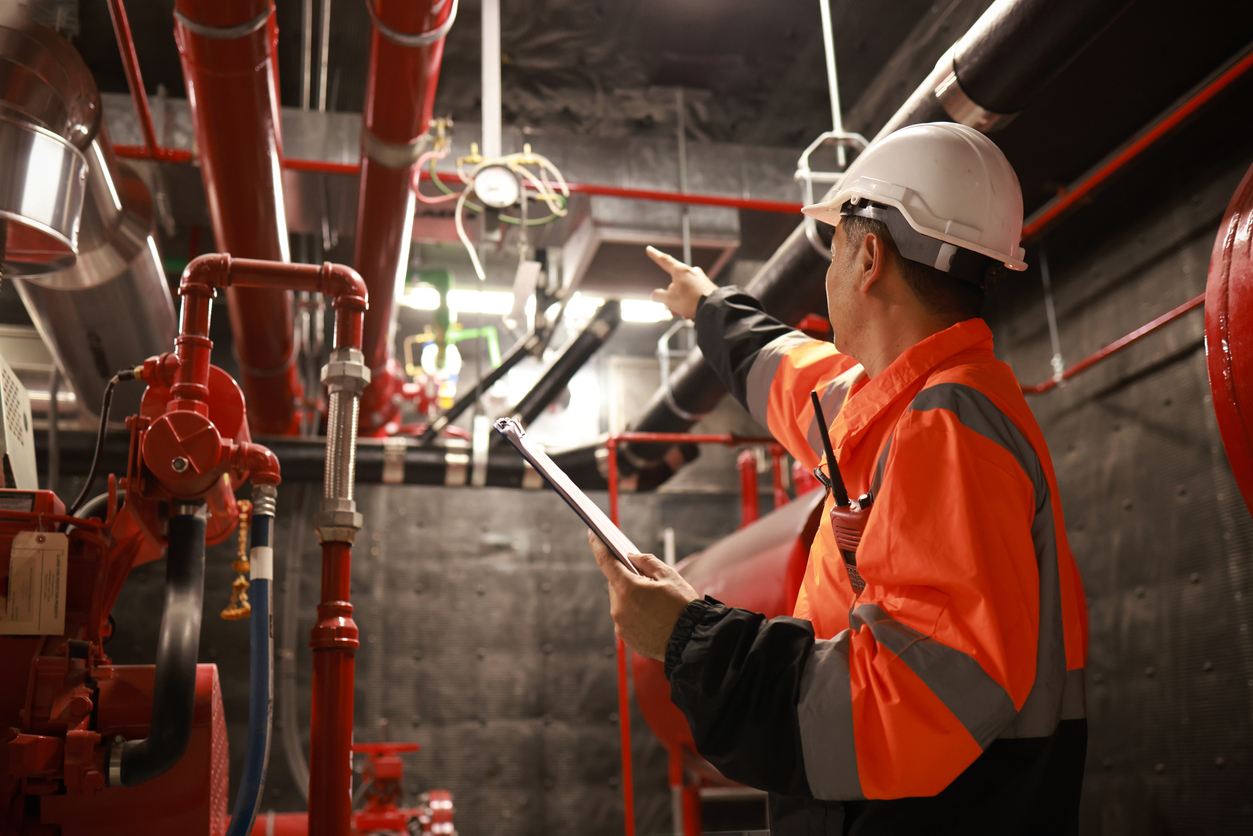
Once your cards are sorted, technical training is what separates good engineers from great ones. Training in electronic fire and security systems, electrical installation, or manufacturer-specific systems proves you can install, maintain, fault-find, and commission modern life safety and security systems with confidence.
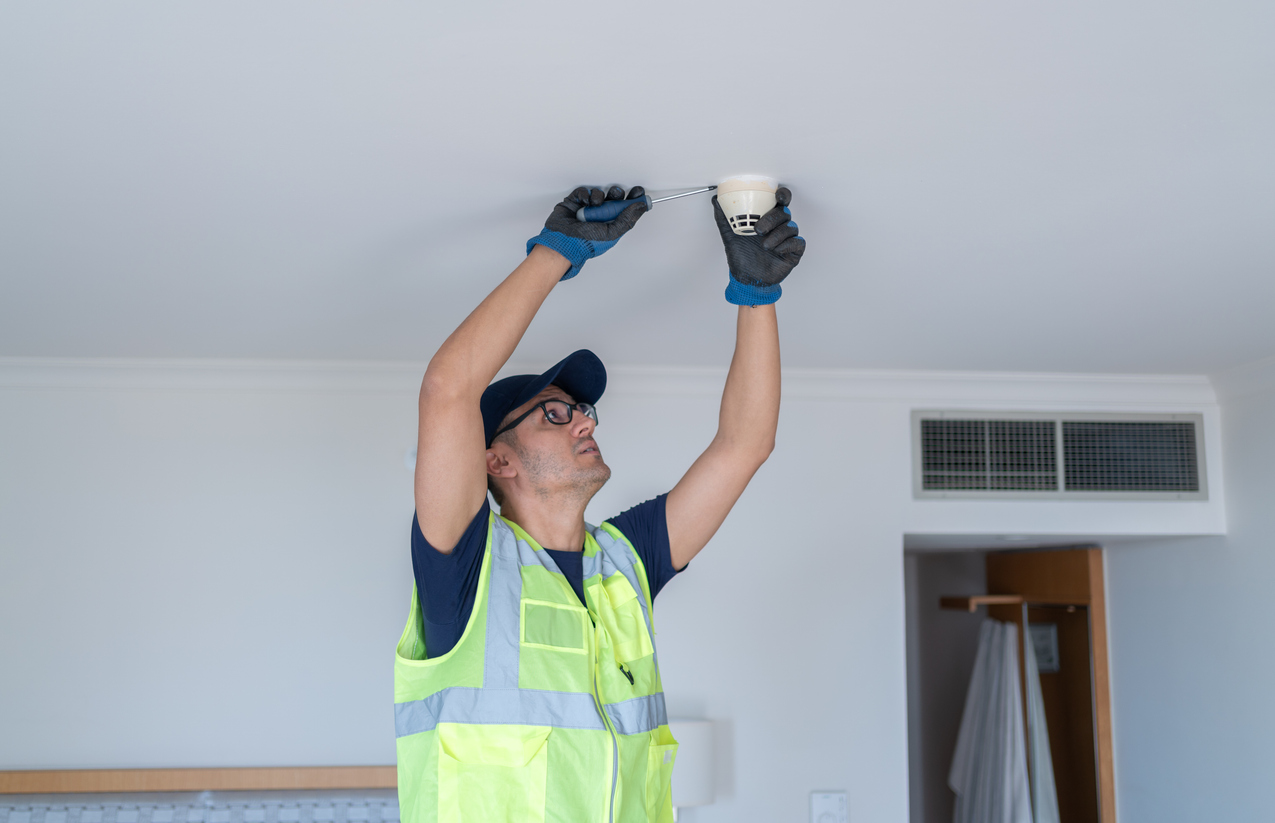
If you're targeting fire alarm engineer or fire alarm maintenance roles, advanced qualifications give you a real edge. And if you're aiming for commissioning engineer, project engineer, or fire and security project manager positions, pairing hands-on experience with a solid grasp of regulations puts you well ahead of the pack.
🔀 Can Your Qualifications Open Doors Beyond Fire and Security?
Yes. Skills in networking, IP systems, and structured cabling let you move between fire and security, fibre, and telecoms roles as demand shifts, which helps keep a steady flow of work and cuts the downtime between contracts.
The right qualifications don't just get you on site. They widen the pool of contracts you're eligible for, so a quiet patch in one sector doesn't have to mean a quiet patch in your diary.
How Do Qualifications Help You Progress Into Senior Roles?
Qualifications are usually the fastest route into higher-level work. If you're confident in installation or service work, moving into project manager, security systems manager, or fire and security manager roles becomes far more achievable with recognised training and continued professional development.
For longer-term growth, combining hands-on experience with further study in engineering, fire safety, or IT can open opportunities across energy, utilities, and the wider technology sector too.
What's the Payoff for Keeping Your Tickets and Training Current?
Qualifications aren't just boxes to tick. They translate directly into better contracts and steadier income.
📌 What current qualifications get you:
- Higher day rates on fire and security engineer and commissioning roles
- More consistent contract work across fire, fibre, telecoms, and IT
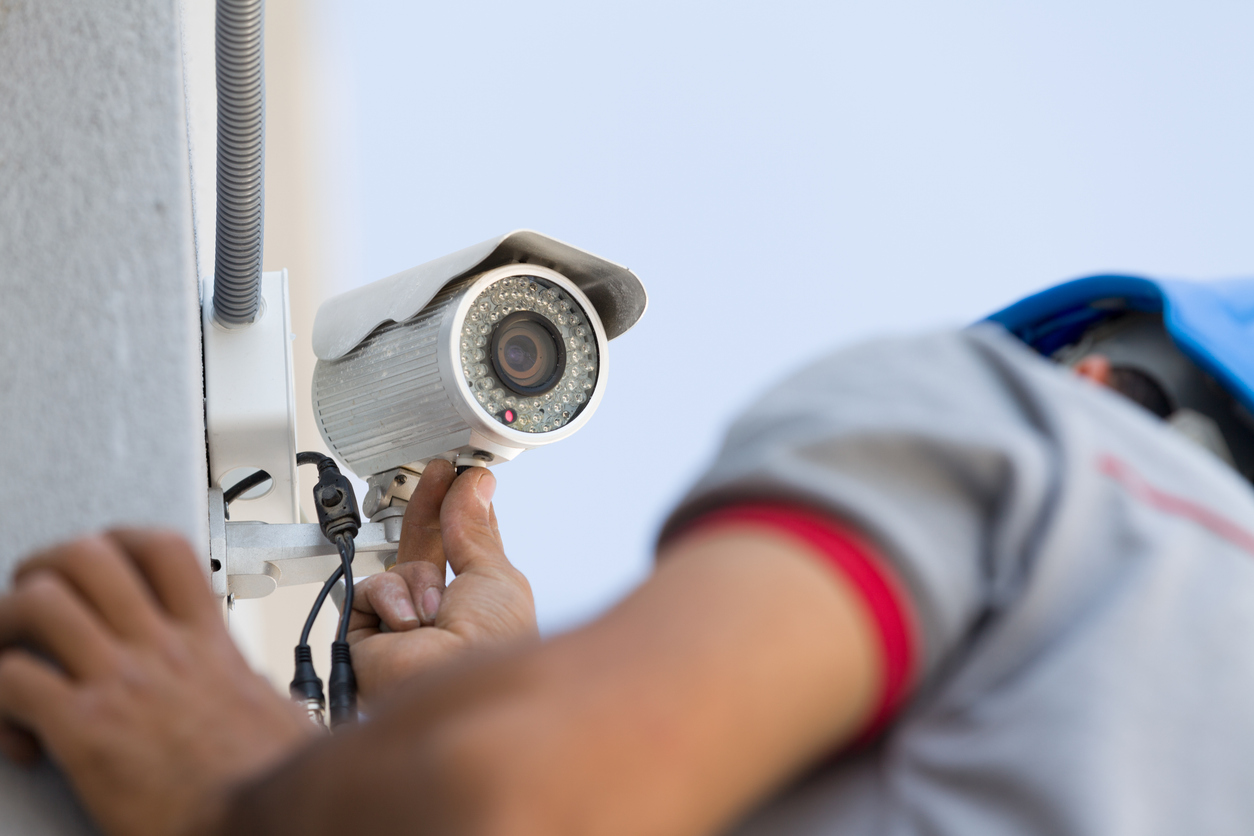
- Choice of projects, from CCTV installation to fibre splicing, rather than taking whatever's going
Contractors who keep their cards current, keep developing their technical skills, and showcase their qualifications clearly on their CV tend to enjoy a steadier pipeline of contract work and the reliable weekly pay that comes with it.
🚀 Ready to put your qualifications to work?
Your experience combined with the right credentials doesn't just open doors; it gives you the freedom to choose the contracts that suit you.
If your tickets are current and you're ready for your next high-value contract, we'd like to hear from you.