
What Fire & Security Engineers Really Value at Work (And Why It's Not Just the Day Rate)
What Do Fire & Security Engineers Actually Want From a Job?
Pay matters, but it's rarely the deciding factor. Fire and security engineers stay loyal to employers who offer predictable schedules, genuine flexibility, real training investment, recognition for their expertise, and compensation that reflects the risk they carry. Get those five right, and a job becomes a career worth staying in.
This guide breaks down the five pillars of workplace culture that separate a standard job from a long-term career in fire and security jobs, drawn from what our contract recruitment team hears from engineers every week.
Why Does Job Stability Matter More Than a High Day Rate?
Fire and security engineers juggle emergency call-outs, site visits and maintenance checks across commercial, industrial and residential sites. Predictable workloads and clear project schedules let you plan travel and finances properly, rather than scrambling between last-minute jobs. Structure isn't dull; it's what lets you focus on the technical work instead of the logistics.
📌 Structured work supports:
- Efficient installations: completing system upgrades without constant rescheduling
- Compliance confidence: staying current with fire safety regulations and security standards
- Financial planning: managing travel and on-site time without last-minute strain
How Much Does Flexibility Really Affect Job Satisfaction?
Fire and security projects range from short system upgrades to long, building-wide installations, so rigid hours rarely work. Engineers value flexible hours, remote reporting where it's practical, and clear escalation procedures. That flexibility means managing multiple sites without burnout, and taking on higher-value projects without logistical clashes.
Why Do Engineers Rate Training Above Almost Everything Else?
Fire and security technology, regulations, and standards move fast, and engineers know it. Employers who invest in manufacturer-specific training, advanced fire and alarm system courses, and Health & Safety qualifications get more motivated, more loyal engineers who can handle complex projects with confidence.
What Role Does Recognition Play in Retention?
Technical skill alone doesn't keep engineers on side. Feeling recognised for your expertise, being communicated with clearly, and working in a collaborative, safe culture all boost morale directly. Engineers who feel respected go further for a project, especially when timescales are tight.
"There's a real satisfaction in knowing you've made someone's week easier."
— Simon Mitchell, Deputy Manager, Contract Division
Does Fair Pay Still Matter If Everything Else Is Right?
Yes, and it should. Passion doesn't cover a mortgage. Engineers value compensation that reflects their experience, qualifications, and the risk and responsibility they carry on site every day, alongside the structure, flexibility, training and recognition above.
📌 Compensation that keeps engineers on board includes:
- Competitive day rates: aligned with current market standards
- Overtime and call-out allowances: paid fairly for out-of-hours work
- Progression tied to pay: clear career routes that come with a pay rise attached
What Does This Mean for Your Next Role?
Fire and security engineers want more than a paycheck. They want structured schedules, genuine flexibility, ongoing training, recognition and fair pay working together. Get all five right, and you get engineers who stay and who deliver.
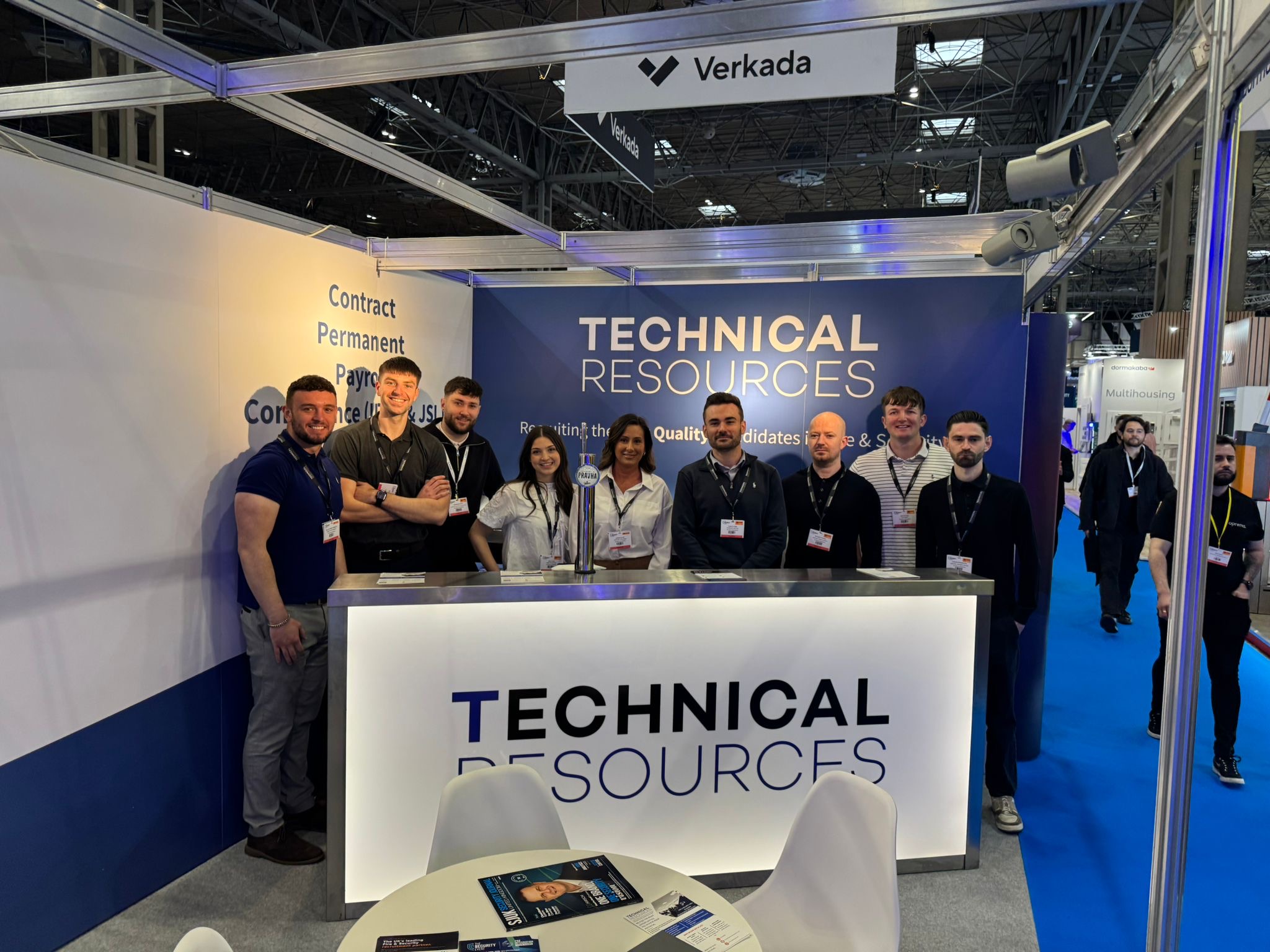
If your current site doesn't tick these boxes, it might be time for a change. At Technical Resources, we place engineers in fire and security roles with employers who back up the day rate with the rest of it. Talk to Simon Mitchell and the team about roles that actually work for you.