
More Than a Technician: 5 Skills That Make You a High-Value Fire and Security Engineer
What actually makes a fire and security engineer more valuable than "just a technician"?
You've fitted more panels and passed more compliance checks than anyone on your team, but the promotion still goes to someone else. Clients and employers pay for engineers who combine hands-on technical skill with compliance knowledge, sharp problem-solving, clear communication, and a habit of learning. Master those five areas and better fire and security jobs, senior roles, and a proper career open up.
"From my experience, engineers dedicated to learning are at the forefront of industry change."
— Jordan Drinkwater, Director – Permanent Division
This one's for engineers working towards senior or permanent roles who want to know which skills actually move the needle. If you're mapping out where a stronger skillset could take you, our Permanent Recruitment team, led by Jordan, can talk you through what employers are paying for right now.
Technical Expertise Is Still Your Foundation
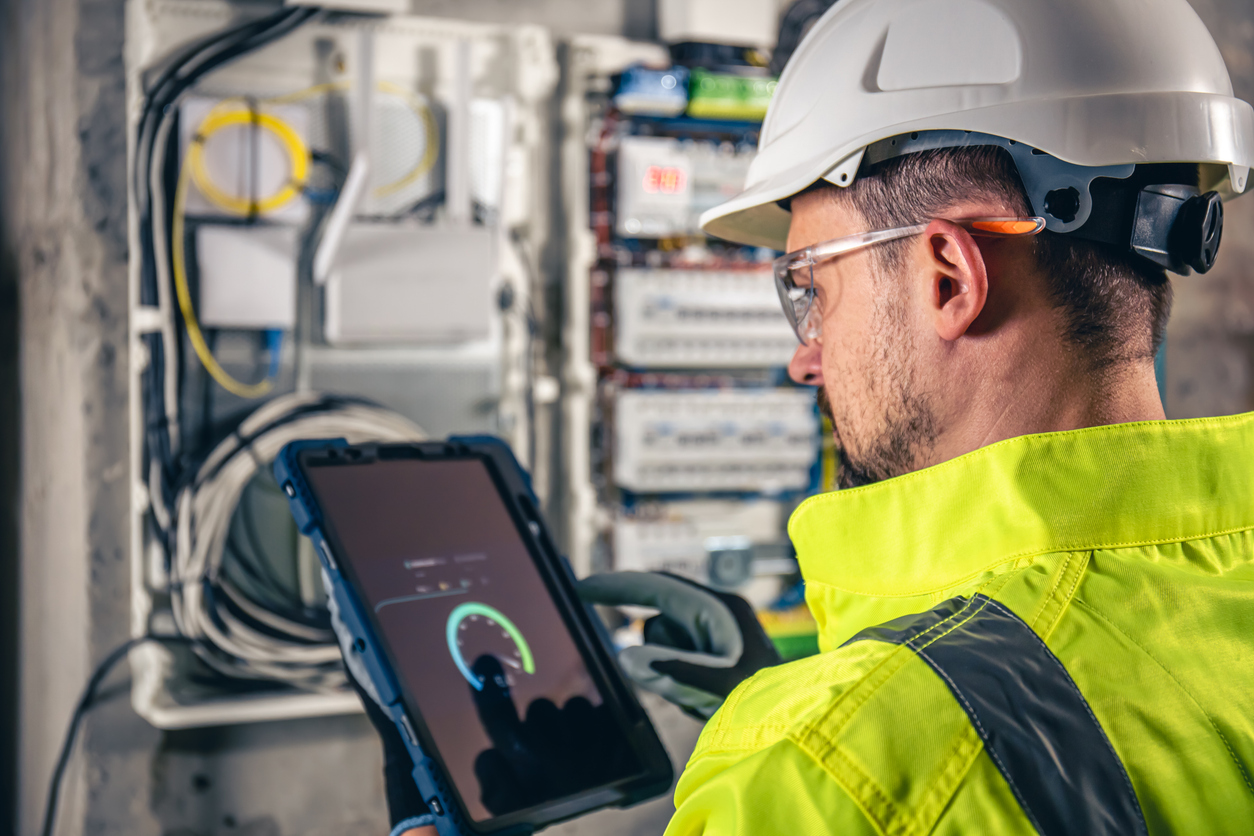
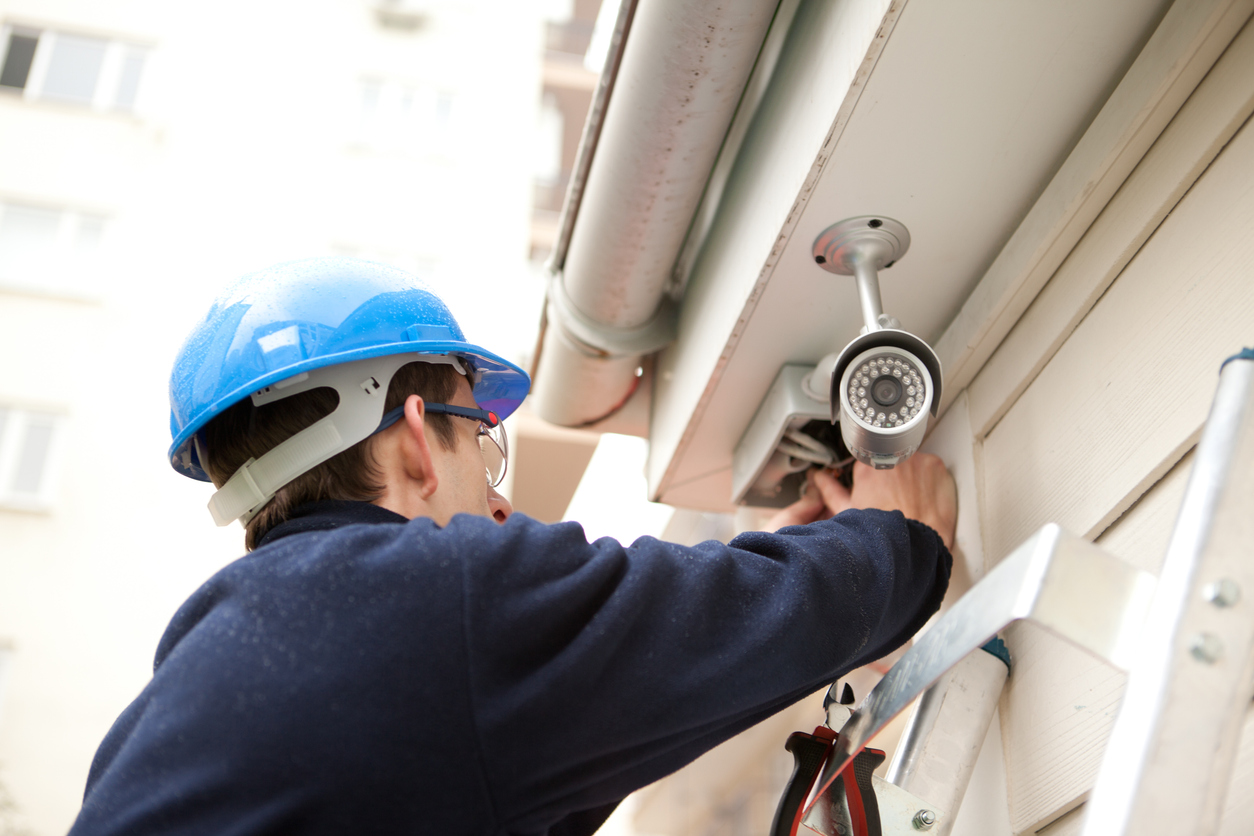
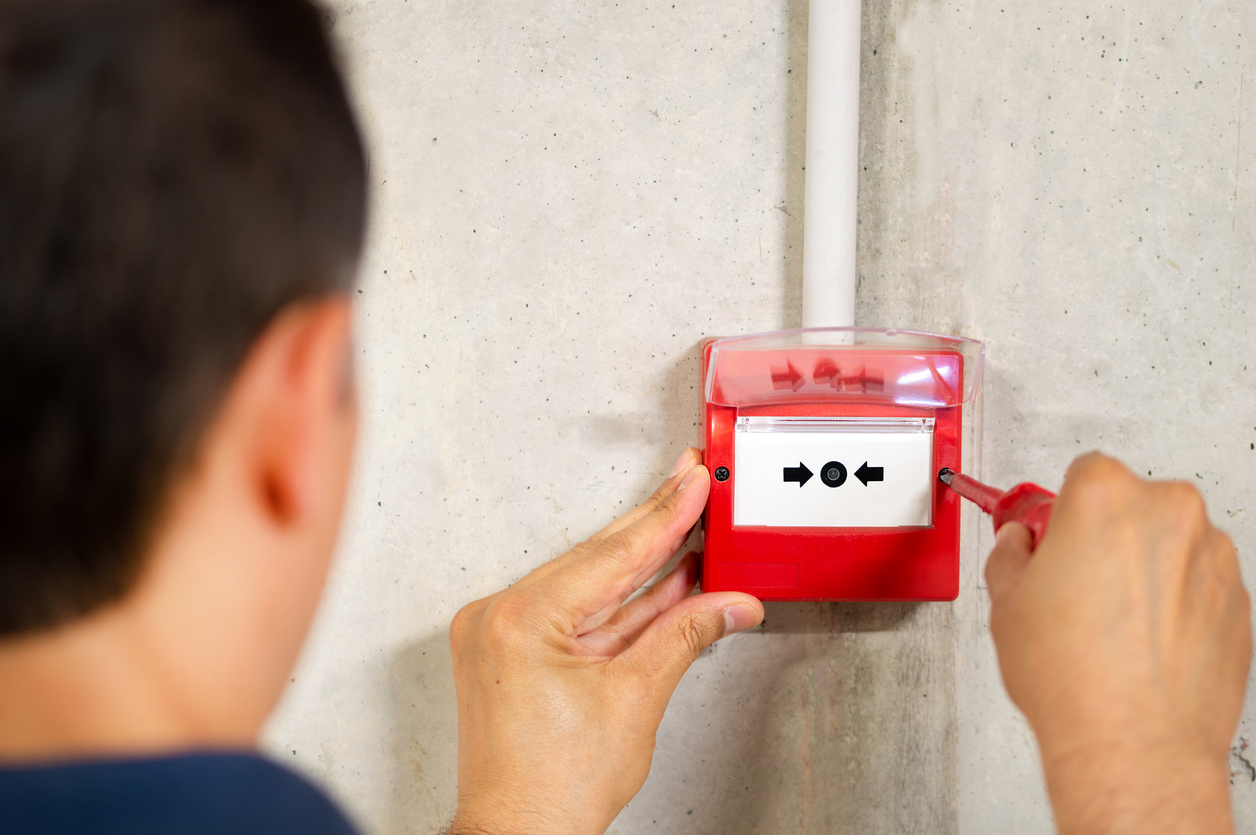
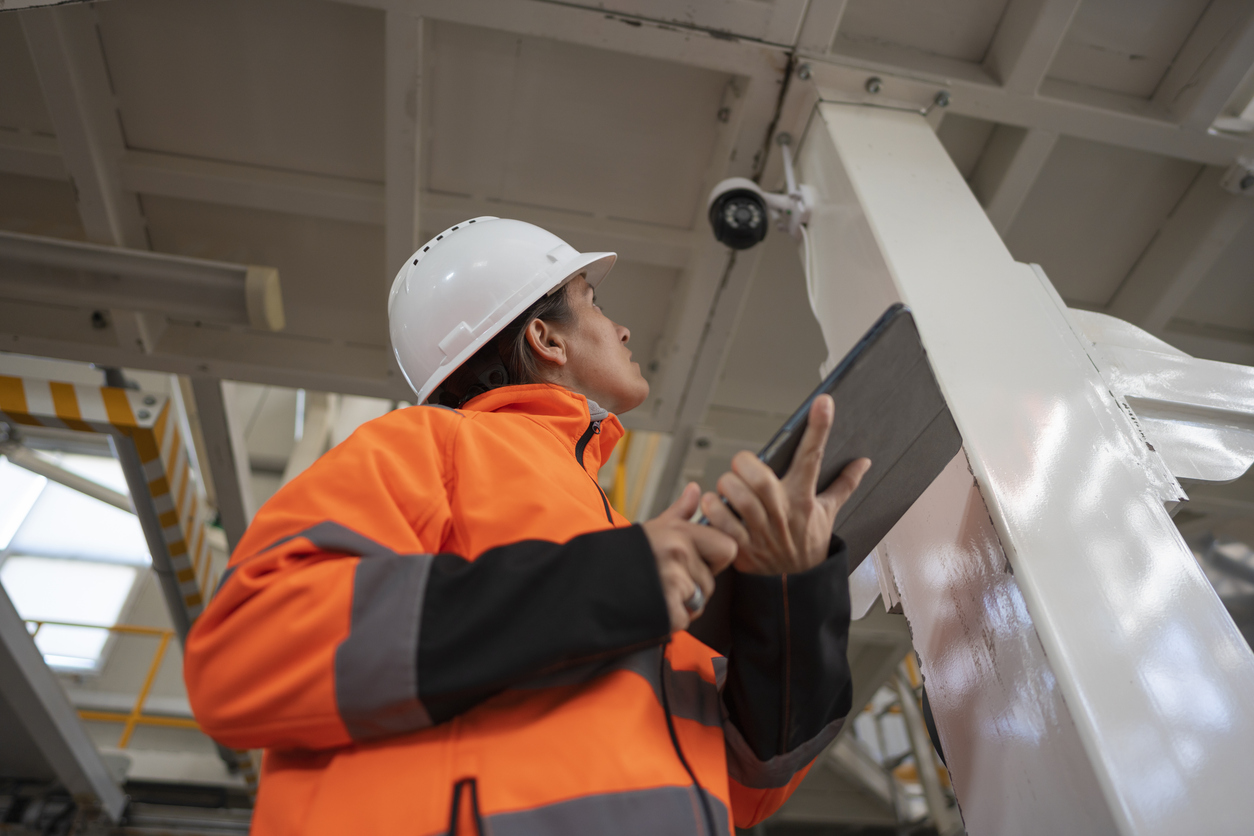
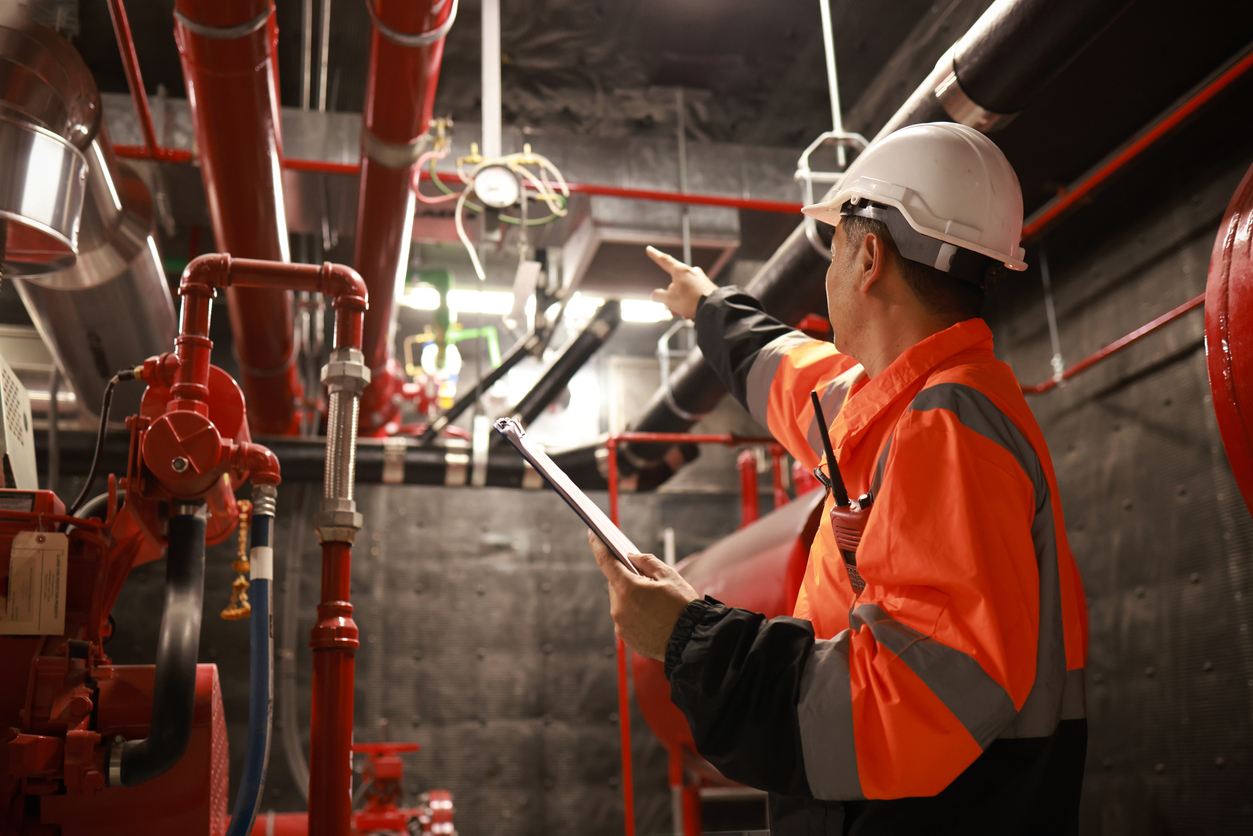
At the heart of every strong fire and security engineer is rock-solid technical expertise. You need to confidently design, install, and maintain fire alarms, suppression systems, CCTV, and access control, and understand how they integrate into one reliable safety solution.
Being able to troubleshoot efficiently, adapt to new technology, and work strictly within safety standards is what makes you indispensable on site.
Why Does Compliance Knowledge Matter So Much?
Because this industry is heavily regulated, and staying on top of legislation, codes, and standards isn't optional. A solid grasp of compliance keeps the systems you deliver safe and legally sound, and protects both you and your clients from costly mistakes.
Engineers who keep pace with changing regulations, including the ones covered in our piece on the certifications that move you into higher-paying roles, position themselves as trusted experts who don't need hand-holding.
Problem-Solving and Risk Assessment: Turn Challenges Into Opportunities
No two sites are ever the same. Tricky layouts and bespoke security requirements mean you're constantly reading a new set of risks.
Engineers who stay calm under pressure, weigh their options, and act decisively don't just react to problems, they prevent them, saving clients time, money, and risk.
📌 What strong problem-solving looks like on site:
- Spotting vulnerabilities early, before they become a compliance issue
- Planning fire safety strategies that fit the specific building, not a generic template
- Resolving equipment issues fast, without waiting on a second visit
Communication Makes You a Trusted Partner, Not Just a Service Provider
Being technically brilliant isn't enough on its own. Explaining complex systems in plain terms, managing client expectations, and confidently advising on safety solutions is what sets senior engineers apart.
📌 What that looks like day-to-day:
- Translating jargon so clients understand what they're paying for and why
- Flagging risk early, not waiting to be asked
- Owning the conversation on site, not just the toolbox
Combine strong communication with technical expertise, and you become someone clients trust to lead projects and influence decisions, not just carry out instructions.
Adaptability and Continuous Learning Keep You Ahead
The fire and security sector never stands still, and neither should you. New technologies and systems arrive constantly, so committing to training, certifications, and industry updates sharpens your skills and your earning power.
As Jordan puts it, the engineers who invest in learning are the ones leading the industry's change, not reacting to it.
Ready to Build a Career, Not Just a Job?
Developing your technical expertise, compliance knowledge, problem-solving, communication, and adaptability doesn't just make you better at your job; it builds a resilient, high-value career. These are the skills that let you take on complex projects, step into senior roles, and specialise in areas like commissioning, risk assessment, or integrated security solutions.
If you've got the skills, we can help you find the role that pays for them.