Essential Qualifications for Fire and Security Jobs: Which Ones Actually Get You Promoted?
Why Do Some Fire and Security Qualifications Matter More Than Others?
Not all certificates carry the same weight. Some are simply "nice to have," while others are what employers look for when deciding who's ready for more responsibility, better pay, and a route off the tools. In a regulated industry, recognised qualifications are the shortcut managers use to judge who they can trust with bigger projects and bigger teams.
I love delivering solutions for both engineers and businesses, whether that's helping someone progress or supporting a client as they scale their team.
— Ben Horton, Team Leader - Fire and Security Engineering
If you're building a long-term career rather than just your next contract, this guide breaks down which fire and security job qualifications genuinely move you toward a permanent role with real progression, and which ones just tick a box.
🔥Which Fire Industry Qualifications Carry the Most Weight?
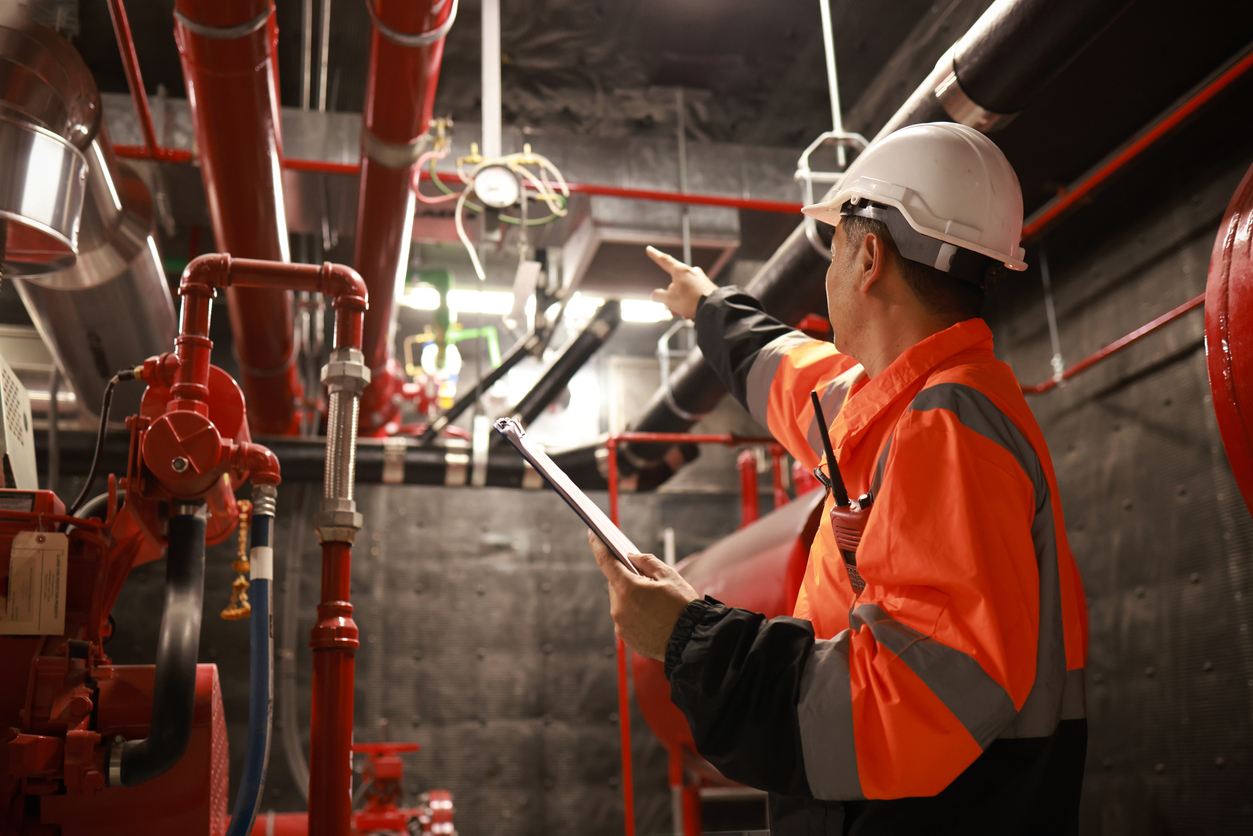
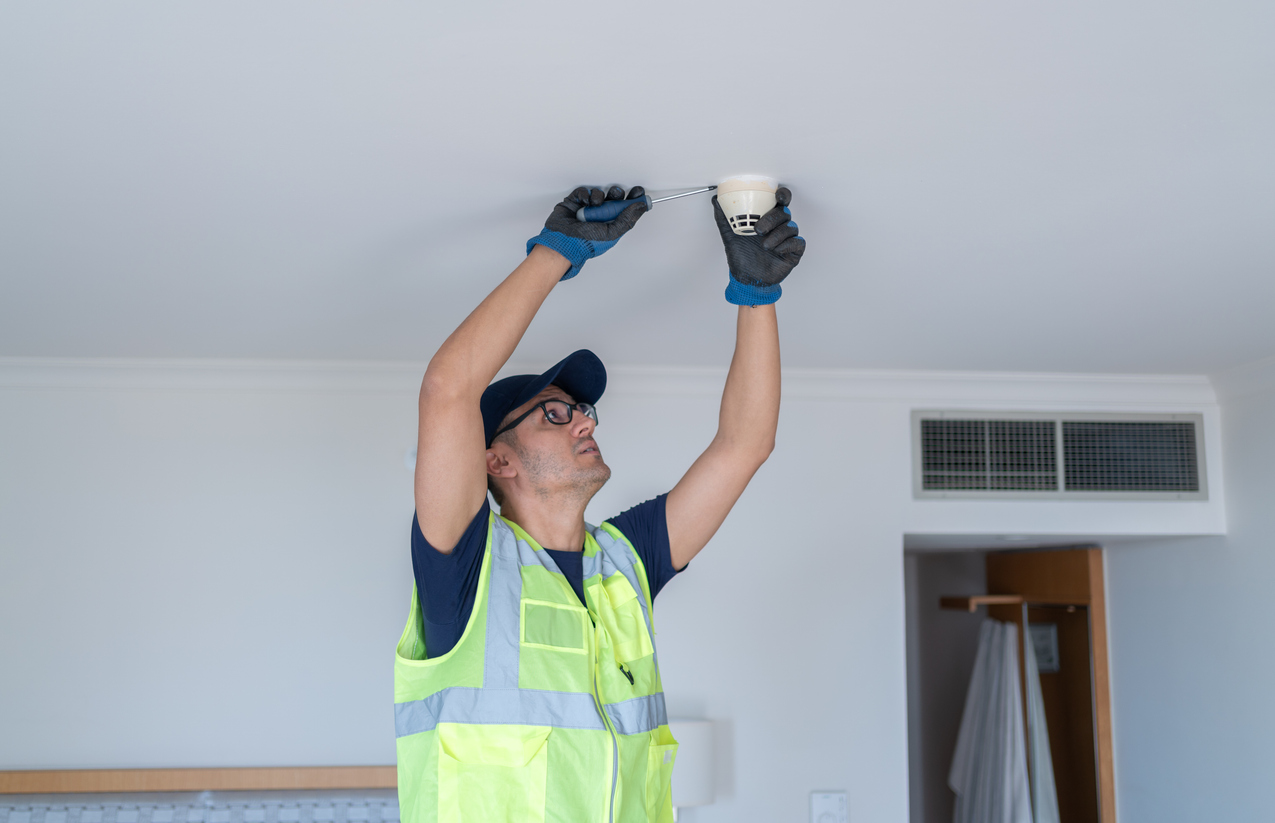
FIA units are the closest thing the fire industry has to an accepted standard. They prove you understand fire detection, alarm systems, commissioning, and maintenance to an approved level, and employers trust the standard behind them. Engineers with relevant FIA training are routinely the first considered when a senior or supervisory position opens up.
📌 What Employers Look for Before Promoting Someone
- Recognised FIA units: signals approved competence, not just years on the job
- Commissioning and maintenance training: shows you can work on live systems with less supervision
- Evidence of compliance: reduces the risk a manager takes on by giving you more responsibility
How Much Does Manufacturer Training Really Add?
Manufacturer training can be the difference between staying a general fire and security engineer and becoming the person a business builds its team around. Being certified on recognised platforms such as Gent, Siemens, Advanced, or Morley makes you immediately useful for installation, commissioning, and high-end service work, and gives management confidence to hand you bigger, more permanent responsibility.
🔒What About Security System Certifications?
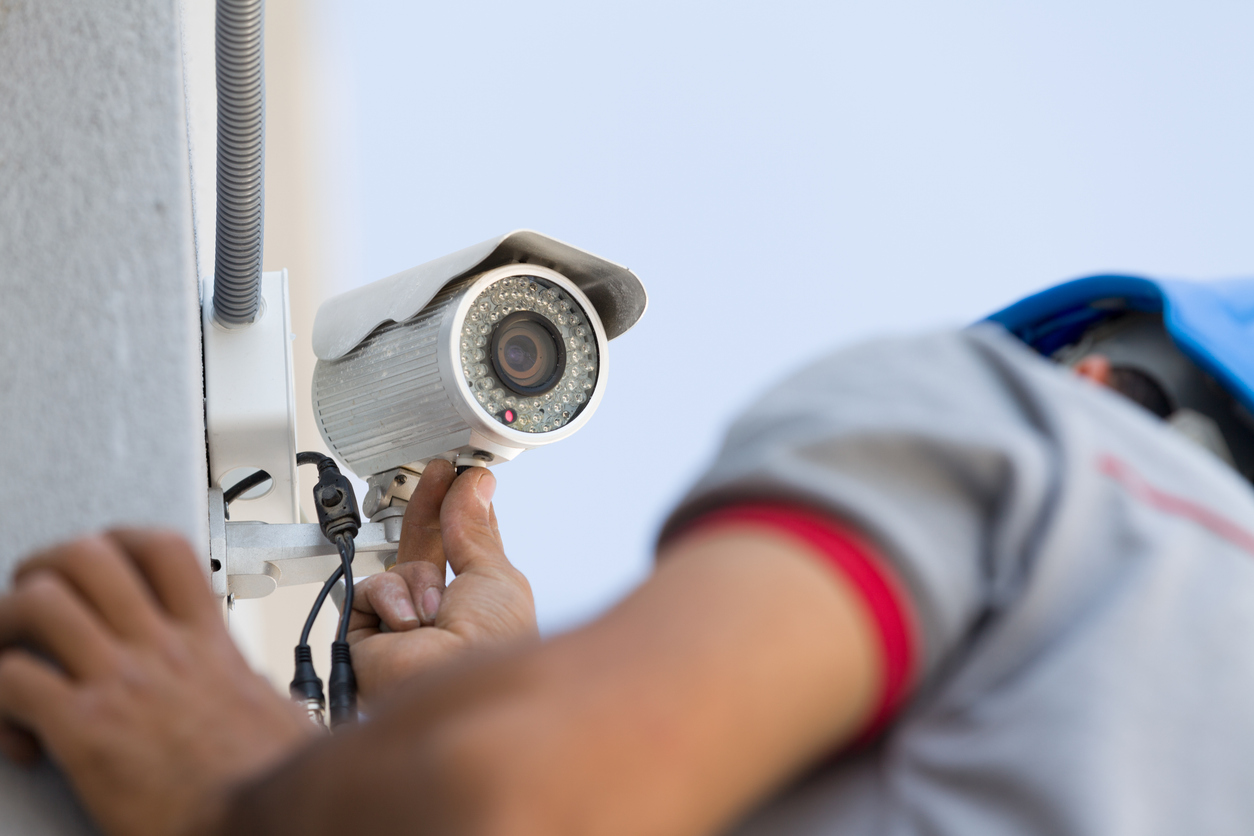
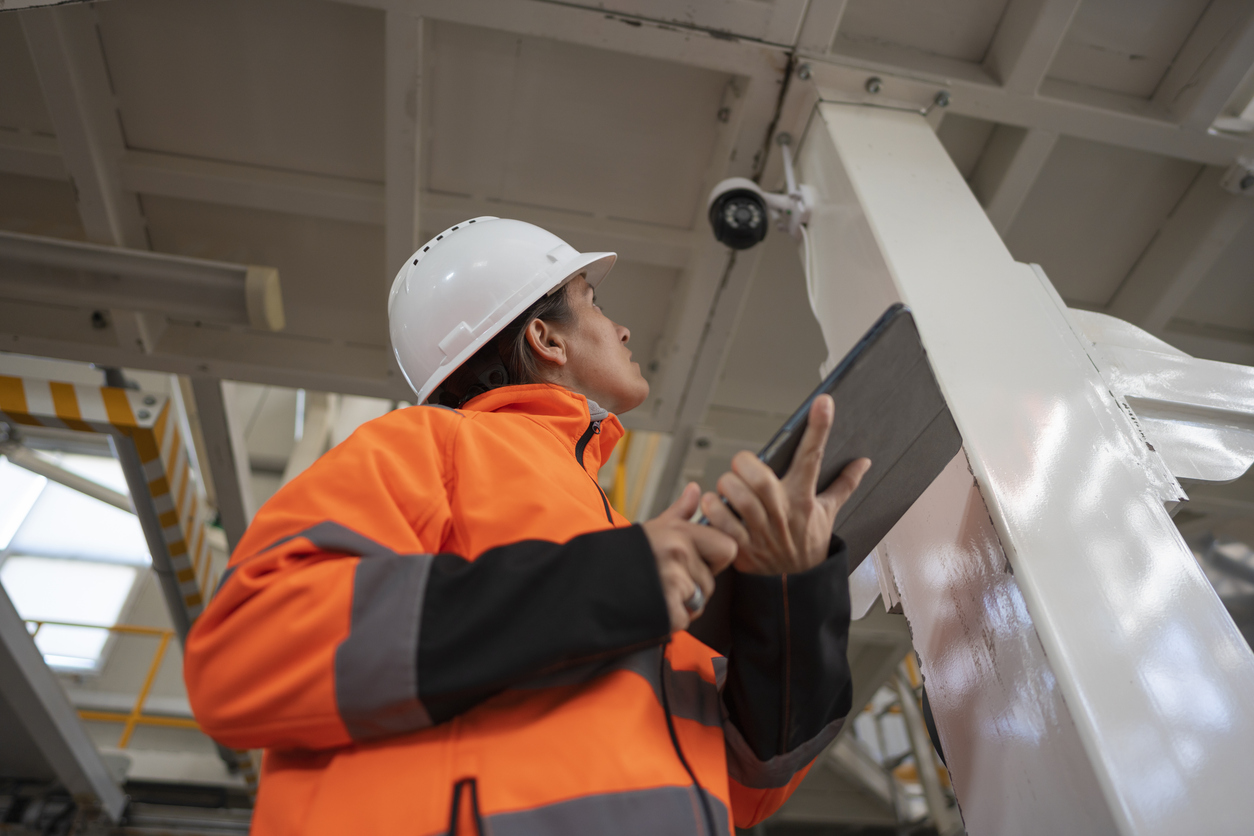
Security qualifications tend to be system-specific rather than industry-wide, so training on access control, CCTV, and integrated platforms can sharply increase your value to an employer. Engineers certified on enterprise-level systems stand out, since those environments demand a higher level of technical knowledge and are often where senior and supervisory roles sit.
Do Apprenticeships and Refresher Training Still Count?
Yes, on both counts. A recognised fire and security apprenticeship gives early-career engineers a strong, structured foundation and shows employers you understand industry standards from day one, which is often the first step toward a stable permanent role. Later on, letting certifications lapse can quietly stall your progression, even with strong experience behind you.
📌 Two Habits That Keep You Moving Up
- Stay ahead of renewals: expired certifications rule you out of promotion before experience is even considered
- Refresh as systems change: manufacturers update platforms, and your training should keep pace
Choosing the Qualifications That Actually Benefit You
The right certifications don't just help you find work; they help you progress into senior engineer, commissioning, or supervisory roles and build the stable, long-term career most fire and security engineers ultimately want. Not every qualification suits every goal, so the biggest impact comes from training that lines up with where you actually want to end up, whether that's service, install, commissioning, or management.
Not sure which qualifications our clients value most when they're filling senior and permanent roles? Let's map out your next move together.