
A Fire and Security Candidate's Guide: Apprentice to Multi-Skilled Engineer
How Long Does It Really Take to Become a Multi-Skilled Engineer?
Five years in, and some engineers are still doing the same three tasks they learned in their first month, while others are already running full cross-system jobs on their own. Most who reach multi-skilled status do it within five years of starting their apprenticeship, but it isn't automatic. The ones who get there fastest combine hands-on experience across different systems with recognised training and a genuine appetite for taking on more responsibility early.
I've worked in recruitment since 2018, starting as a trainee and progressing into senior leadership, giving me strong insight into both candidate career journeys and employer talent strategies.
Jordan Drinkwater, Director – Permanent Division
This guide is for fire and security candidates working through their apprenticeship towards a multi-skilled fire and security engineer role, and for anyone weighing up their next move in fire and security jobs.
🧰 What Should You Prioritise During Your Apprenticeship?
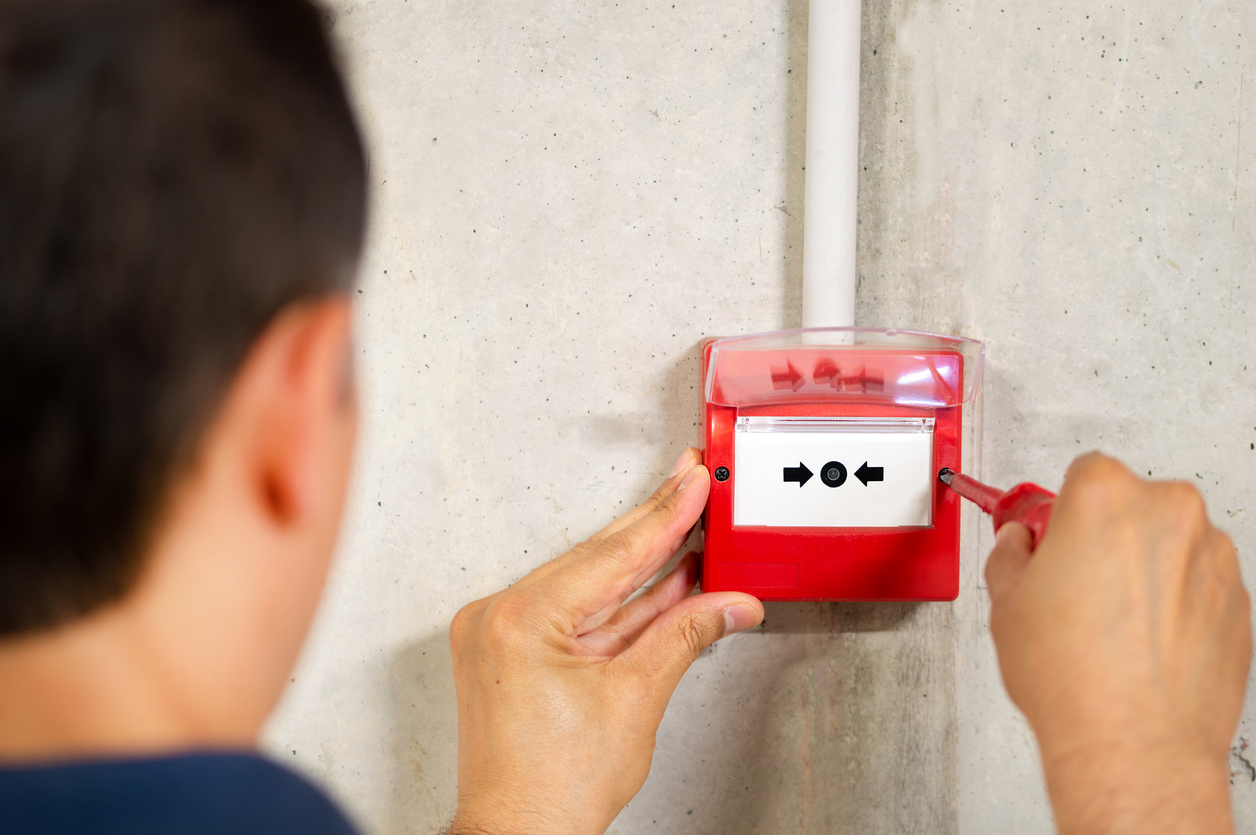
Build depth before breadth. Get properly comfortable with fire detection and alarm systems first, since most apprenticeships are built around that core discipline.
From there, look for every chance to work across service call-outs, new installations, and planned maintenance. Each environment teaches you something the others don't.
What Does Becoming "Multi-Skilled" Actually Involve?
Multi-skilled means moving beyond one discipline. Engineers who deliberately learn access control, CCTV, and intruder alarm systems alongside fire detection become far more valuable, because one person can now cover work that would otherwise need three specialists on site.
📌 Skills worth building deliberately:
- Cross-system competence: fire detection and alarms, access control, CCTV, and intruder systems, not just one discipline
- Recognised qualifications: manufacturer and industry training that proves your competence on paper, not just on site
- Environment variety: service, installation, and maintenance work, each sharpening different instincts
Which Professional Skills Actually Get You Promoted?
Technical ability gets you in the door, but it isn't what pushes you into a genuinely multi-skilled role. Employers hand bigger projects and more responsibility to engineers who communicate clearly, manage their own time well, and can be trusted to work independently.
📌 What employers are actually watching for:
- Clear communication with clients and site teams, not just your supervisor
- Reliable time management, so jobs don't overrun or get rescheduled
- Working independently, without needing everything double-checked
🚦How Do You Choose Roles That Actually Speed Up Progression?
Not every role moves you forward at the same pace. Roles that expose you to new systems, larger projects, or different site environments accelerate progression, while roles that keep you doing the same task for years don't.
Moving strategically, not just moving often, is what shortens the five-year timeline.
If you're weighing up your next move, it's worth talking to a specialist who works in permanent recruitment for the sector and can point you towards roles that genuinely build your skill set.
Ready to Fast-Track Your Own Five-Year Plan?
Reaching multi-skilled engineer status within five years is realistic with the right foundation, the right training, and an employer who actually invests in you.
Your next role should stretch your skill set, not put you on repeat. Jordan Drinkwater and the team can talk you through roles built to get you there.